New to Yame Matcha? Meet the Place Behind Your First Sip
Compartir
The whisk moves through the bowl. Fine green foam gathers on the surface. You lift it, notice the aroma, and take your first sip.
What will make you reach for that matcha again tomorrow?
Perhaps it is a creamy texture, a gentle sweetness, or a savory finish that lingers. At Mukoh Matcha, that discovery begins with a place: Yame, Fukuoka, Japan.
If Yame is a new name to you, come and get to know it. Your favorite cup may still be waiting to be discovered.
A place behind every pouch
Yame is in Fukuoka Prefecture, on Japan’s southern island of Kyushu. Tea is grown around the Yabe River and its tributaries, including the Hoshino River. The region’s tea tradition has continued for centuries, and its production remains relatively modest, as described by Fukuoka’s agricultural promotion council.
Morning mist and differences between daytime and nighttime temperatures are part of this tea-growing landscape. Fukuoka Prefecture describes Yame tea as rich in umami, with sweetness and a rounded character.
Those qualities are an invitation to explore. Each tea still has its own personality.
What “100% Yame” means at Mukoh Matcha
For our pure Yame matcha, the tea leaves are grown in Yame, Fukuoka. The origin is part of the product itself, from the leaves onward.
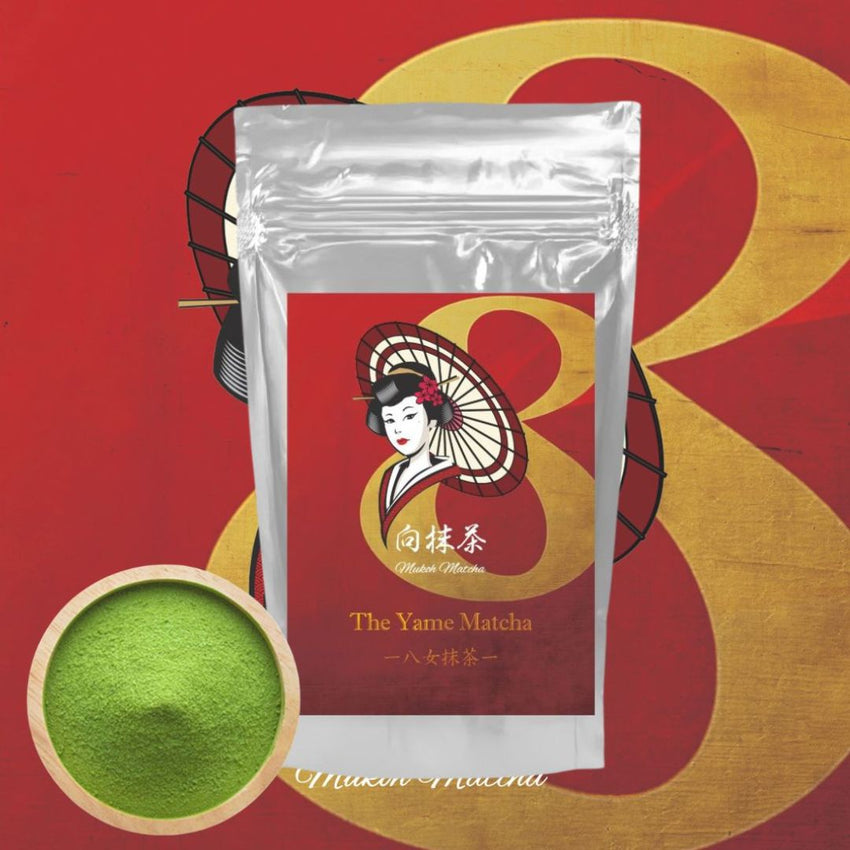
One origin can offer many different tastes. TEN is made from 100% Okumidori, while MICHI brings together four cultivars: Saeakari, Kirari 31, Saemidori and Tsuyuhikari. Both belong to our Yame matcha range.
That is part of the pleasure of exploring a region: discovering how much variety it can hold.
Explore the place, craft and story of Yame →
Let the first sip make you curious
When you hear “umami,” think of savory depth. Green tea naturally contains amino acids that contribute to its umami and sweetness, as explained by the Umami Information Center.
In a bowl of pure matcha, sweetness is subtle. Notice the fresh aroma, the texture across your tongue, and what remains after you swallow.
Try TEN for its creamy depth, or Sakura for a silky, gently sweet cup. Then compare another variety. A different finish or a fresher aroma may be exactly what draws you back.
There is no tasting vocabulary to master before you begin. A useful question is simply: Would I like another sip?
See the matcha before your first bowl
Watch actual TEN matcha being prepared in this short video. Follow the powder, the whisk and the foam as the bowl comes together.
Curious about the others? You can also watch Sakura, MICHI and #8 in our Yame guide.
Begin with six first sips
You do not have to pick a favorite from a description.
Our Ceremonial Grade Yame Matcha Trial Set brings together TEN, MICHI, Sakura, Red, #8 and Ayame. Start with 20g of each: six separate pouches, 120g in total, or approximately 60 bowls when using 2g per bowl.
Choose two varieties for your first tasting and prepare them with the same amounts of matcha and water. Keep a small note of the one you want to make again. The next morning, see whether it is still your favorite.
Sizes of 30g, 50g and 100g per variety are also available. Each set arrives in plain silver foil pouches; bowls and preparation tools are not included.
Love your matcha with milk?
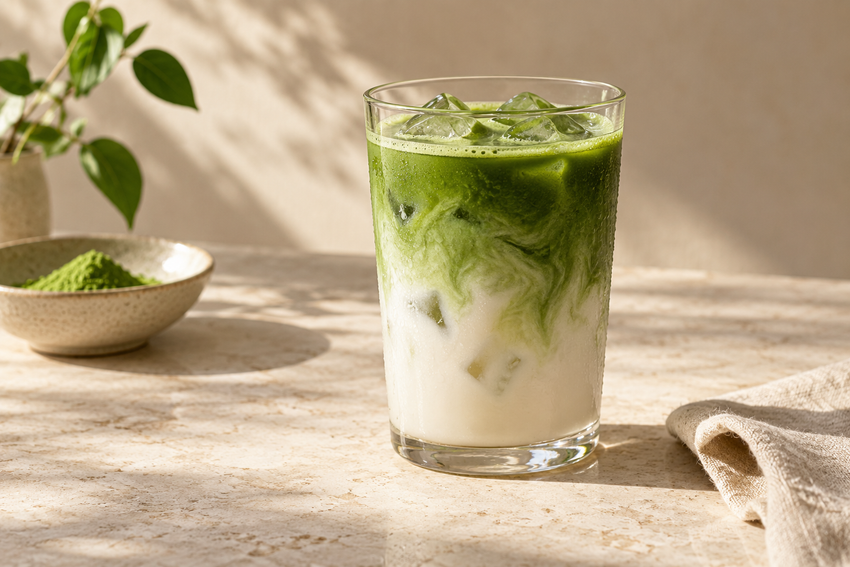
There is a place for that in your Yame discovery, too. Fuji and Kiku are our recommendations for everyday lattes. Start with our latte matcha guide, or explore Sweet Matcha if you prefer an already-sweetened option. The matcha ingredient in our Sweet Matcha comes from Yame.
Meet the place. Taste the possibilities.
Let your first set be the beginning of a new favorite.
Find your favorite with the Trial Set →
Choose your size on the product page. Shipping is calculated at checkout.