

SENCHA · YOUR EVERYDAY CUP
Dreaming Green Tea
Loose-leaf sencha from our Yame and Hoshino selection. A place to start if you enjoy a fresh tea aroma and a balance of sweetness, umami and astringency.
Explore Classic Sencha
MUKOH MATCHA · YAME, FUKUOKA, JAPAN
Fresh sencha. Umami-rich gyokuro. The first taste of spring in shincha. Discover the teas beyond matcha, and learn how a few simple brewing choices can change your cup.
Not sure which tea or quantity to choose? Ask us before you order.

A LITTLE KNOWLEDGE, A BETTER FIRST CUP
Green tea comes from the tea plant, Camellia sinensis. Heating the fresh leaves stops the oxidation that would otherwise change their color and flavor. In Japan, steaming is the most common method.
Cultivation and processing create different styles. Sencha is steamed and rolled; gyokuro is shaded before harvest and brewed as leaves; matcha is made from tencha and whisked as a powder. This guide focuses on tea you steep and strain.
Meet Yame, the home of our teas


CHOOSE BY THE MOMENT YOU WANT
Start with sencha for an everyday ritual, gyokuro for a slower tasting, or tea bags when convenience matters. Follow the product link for its sizes, price and current availability.
SENCHA · YOUR EVERYDAY CUP
Loose-leaf sencha from our Yame and Hoshino selection. A place to start if you enjoy a fresh tea aroma and a balance of sweetness, umami and astringency.
Explore Classic Sencha
GYOKURO · SLOW DOWN & SAVOR
Yame Dentou Hon Gyokuro, in a 50g pack. Choose this shaded tea for a small, concentrated cup with deep umami and a lingering finish.
Discover Itadaki Gyokuro
TEA BAGS · SIMPLE TO PREPARE
Choose green tea or gyokuro, with Classic and Premium options. An easy way to enjoy Yame tea at home, at work or while travelling.
Choose your tea bagsPrefer a roasted aroma? Explore Hojicha. Looking for a tea with toasted rice? Discover Genmaicha.
YOUR FIRST BREW
Begin with one of these recipes from our product guidance. They make different styles of tea: an everyday sencha cup and a small, concentrated gyokuro tasting. Follow your specific product's instructions when they differ.

A starting point for Dreaming Green Tea Classic.
The recommended starting point for Itadaki.
Use a scale for the leaves and measure the water. A kyusu or roomy fine-mesh infuser lets the leaves open.
For a hot brew, boil fresh water, then cool it to your recipe's temperature. A thermometer makes this easier to repeat.
Add the water and start a timer. Let the leaves infuse without vigorous stirring. Taste before extending the time.
Pour a little into each cup in turn, then drain the pot fully. Leaving water with the leaves keeps extracting flavor.
Using our Yame tea bags? Start with one bag and a 1–2 minute steep. Our green tea bags suggest 75–85°C (167–185°F); gyokuro tea bags suggest 60–70°C (140–158°F). Use the water amount indicated on your pack and adjust to taste.
Make the next cup your own. Too sharp? Try cooler water or a shorter steep. Too light? Try a little more leaf. Change one thing at a time so you can discover what you enjoy.

ANOTHER SIDE OF SENCHA
Cold water offers a different way to explore the tea's aroma and umami. This is a concentrated tasting recipe, rather than a large pitcher: enjoy small pours, or dilute your finished tea with cold water to taste.
A general starting point adapted from Ippodo's cold-brew sencha guidance. Adjust for your tea and preference.
Use clean utensils, keep prepared tea refrigerated and enjoy promptly. Follow any cold-brew directions supplied with your particular tea.
SHINCHA · 新茶 · NEW TEA
Shincha means “new tea.” It celebrates a fresh release from the year's first harvest, often enjoyed as sencha. It is a seasonal description, so a tea can be both sencha and shincha.
In Yame, the first picking generally begins around mid-April and reaches its peak in early May. The exact timing and release date depend on the tea and growing conditions.
Look for its fresh, lively aroma and discover how that year's tea tastes to you. For brewing, check the individual pack: some shincha benefits from a shorter first steep than your usual sencha.
Seasonal timing: Fukuoka Prefecture Tea Industry Promotion Council.

KEEP THE AROMA YOU LOVE
Close the pouch carefully after each use. Keep tea away from moisture and strong smells, and use a dry spoon.
Avoid sunlight, heat and humid storage. Follow the storage advice and best-before date on your particular pack.
Open one pack at a time when practical and enjoy it while the aroma is fresh. If a sealed pack has been kept cold, let it reach room temperature before opening.
Matcha is one kind of green tea. Sencha and gyokuro are usually steeped, then strained. Matcha is made from tencha ground into powder and is whisked into water. Powdered sencha or powdered gyokuro is not the same product as tencha-based matcha. Explore our matcha range.
A kyusu is useful, but a teapot or heat-safe cup with a roomy fine-mesh infuser also works. Give the leaves space to open and separate them from the drink when the steep is finished. Tea bags are another convenient starting point.
Temperature, steeping time, leaf quantity and water amount all change the result. First try slightly cooler water or a shorter steep. Measure your ingredients and change one variable at a time. Some gentle astringency is a natural part of the tea's character.
Many loose-leaf teas can be enjoyed for more than one infusion. Drain the first brew fully, then brew again during the same tea session. Already-open leaves often need less time for the second infusion. Follow the product guidance and adjust as the taste changes.
Choose shincha when you want to explore a seasonal first-harvest release. Choose from the regular selection when you are looking for a tea to suit your everyday taste. “New” is not a guarantee that you will prefer it: origin, processing, storage and your brewing choices all matter.
YOUR TEA, WITH A LITTLE HELP
Everyday tea, a gift, a café order or the next Shincha release. Tell us what you enjoy, your preferred quantity and delivery country. We can help you choose and confirm product and shipping costs.
An inquiry does not commit you to an order. Once you approve your quote, we can send a Stripe payment link.
Browse all loose-leaf green teaA LITTLE MORE TO DISCOVER
A new tea, a favorite latte, or a sweeter discovery. Follow your curiosity.
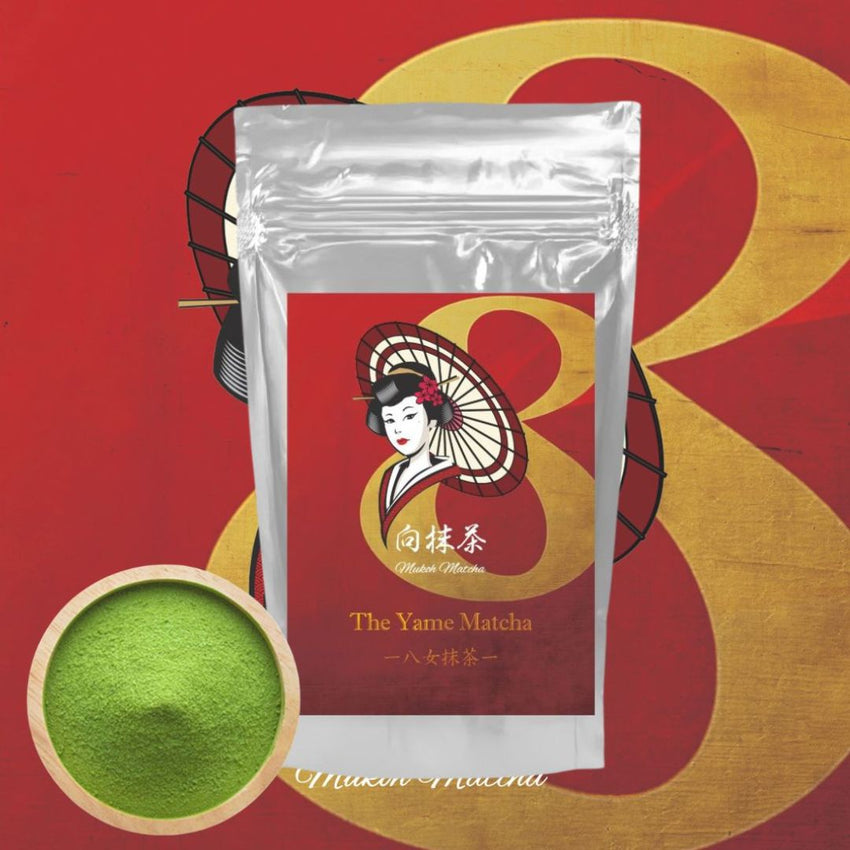
Explore TEN, Sakura, #8 and more.
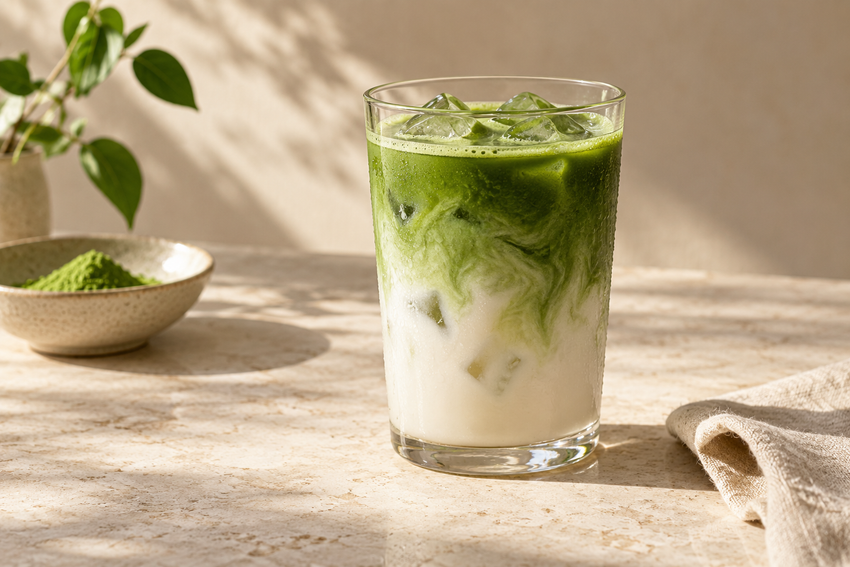
Fuji & Kiku, from tasting sizes to café quantities.

Lime, Pink & Compassion. Already sweetened, ready for your ideas.
Get an exact product + shipping quote. Once you approve it, we can send a secure Stripe payment link.
Serving photographs are AI-generated illustrations. Prepared drinks, food and utensils shown are not included with matcha powders.