Uji vs Yame Matcha – What’s the Real Difference?
Share
When people search for premium Japanese matcha, two regions often appear: Uji and Yame. Both are respected tea-producing areas in Japan, yet they offer noticeably different expressions of matcha.
If you are wondering which is better — Uji or Yame — the answer depends less on status and more on taste preference.
History and Recognition
Uji, located in Kyoto, is historically the most famous matcha region in Japan. For many international customers, Uji matcha represents tradition and prestige. Its name recognition is strong, and it has long been associated with high-quality tea production.
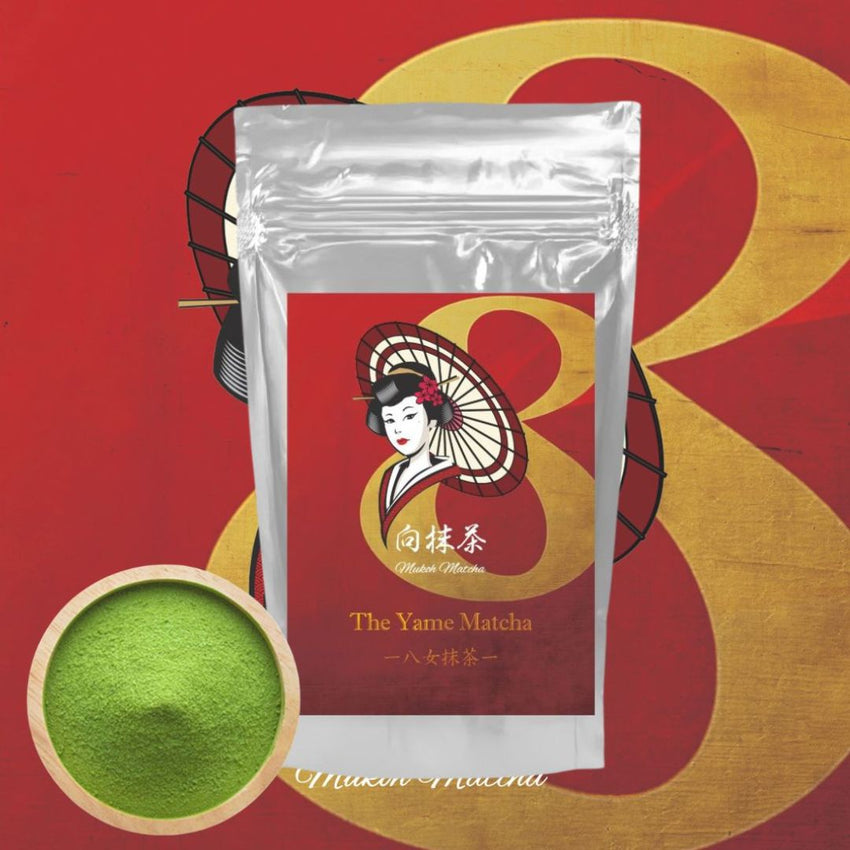
Yame, located in Fukuoka, is less globally known but deeply respected within Japan. The region is especially renowned for producing high-grade shaded teas, including gyokuro. This expertise contributes to a distinct depth and sweetness in Yame matcha.
Uji leads in brand recognition. Yame is increasingly recognized for flavor refinement.
Flavor Differences Between Uji and Yame Matcha
Uji matcha is often described as clean and structured. It typically offers a balanced relationship between bitterness and umami, with a slightly brisk character and a bright finish. The flavor feels defined and clear.
Yame matcha, by contrast, is known for deep, layered umami and natural sweetness. The body tends to feel softer and rounder, with minimal harsh bitterness. The finish is smooth and elegant rather than sharp.
If you prefer clarity and structure, Uji may appeal more. If you prefer depth and mellow sweetness, Yame may feel more satisfying.
First Flush Quality
Both regions produce high-quality first flush matcha, harvested in early spring. First harvest leaves generally contain more natural sweetness and less astringency.
In Uji, first flush matcha often emphasizes brightness and balance. In Yame, first flush matcha tends to emphasize sweetness and depth. Neither is objectively superior — they represent different stylistic expressions of Japanese matcha.
Ceremonial and Culinary Use
For traditional whisked matcha, both regions offer excellent ceremonial grades.
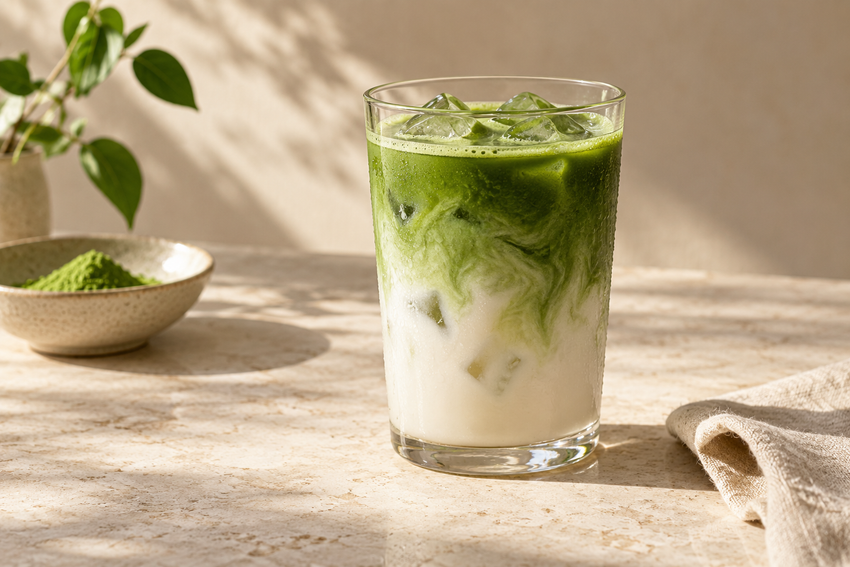
For matcha lattes and desserts, the difference becomes more noticeable. Uji’s structured brightness can provide a clear matcha presence in milk-based drinks. Yame’s smoother, rounder profile blends gently and creates a creamier impression.
Café owners often choose based on the style of menu they want to create.
Which Is Better: Uji or Yame?
There is no universal answer.
Uji offers historic prestige and recognizable branding. Yame offers quiet refinement and layered sweetness.
If you already know Uji matcha and are looking for something equally premium but stylistically different, Yame is worth exploring.
The real question is not which region is better, but which flavor profile matches your preference.
Discovering Yame
As global interest in single-origin matcha from Japan grows, more people are looking beyond well-known names and focusing on taste clarity and authenticity.
Yame matcha stands out for balance, elegance, and understated depth.
If you know Uji, it may be time to discover Yame.
Single origin.
100% Yame-grown.
Online only.
Shipping worldwide.