Matcha vs Sencha Powder: What’s the Difference?
Share
In recent years, powdered Japanese green tea has become popular around the world. Many people know the word “matcha”, but fewer understand that there are actually different types of powdered green tea.
Two of the most common types are matcha and sencha powder. Both come from the same tea plant, yet they have different cultivation methods, flavors, and uses.
What Is Matcha?
Matcha is a powdered tea made from a special type of tea called tencha. Before harvest, tea plants are shaded from sunlight, which increases the level of amino acids in the leaves.
After harvesting, the leaves are steamed, dried, and the stems and veins are removed. The remaining leaf material is then slowly ground into a fine powder.
This process creates matcha’s signature characteristics:
• Deep umami flavor
• Smooth and creamy texture
• Vibrant green color
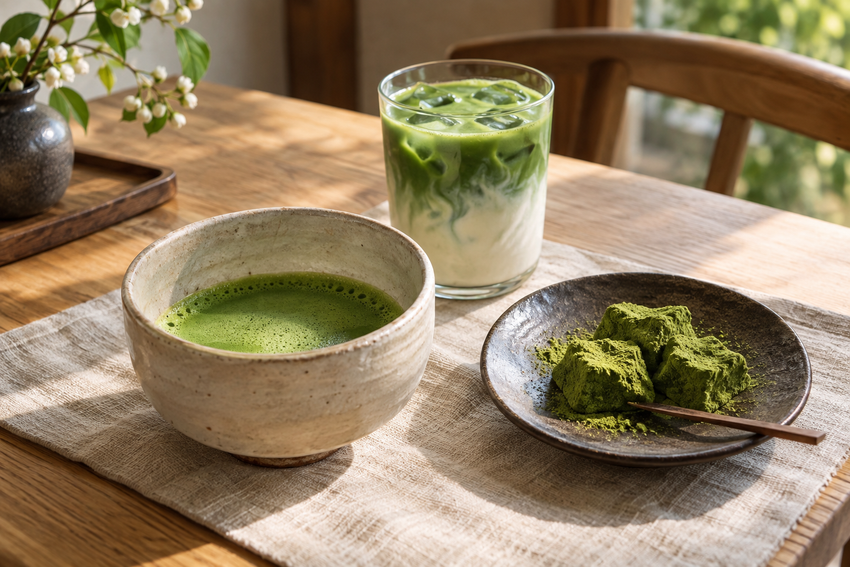
Matcha is traditionally used in Japanese tea ceremonies and is also enjoyed in modern drinks such as matcha lattes and desserts.
What Is Sencha Powder?
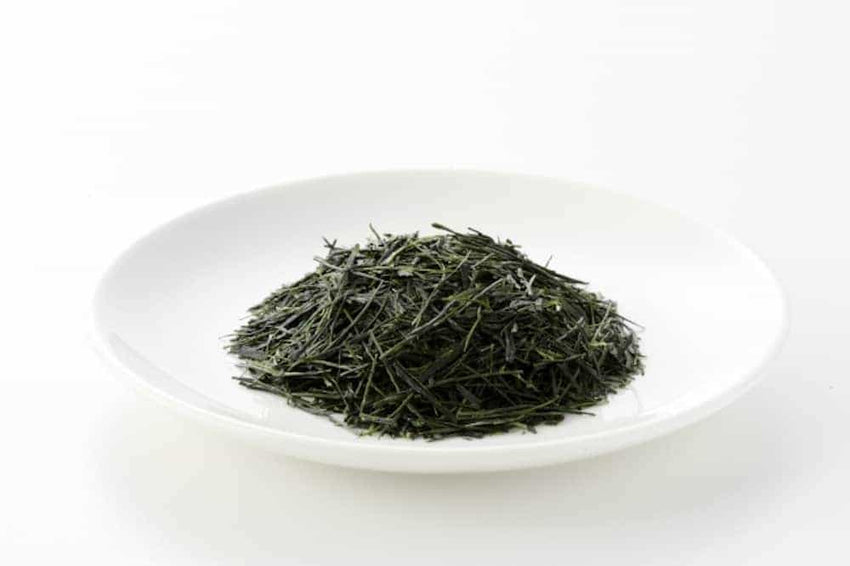
Sencha powder is made by grinding traditional green tea leaves into a fine powder. Unlike matcha, the leaves are typically grown in full sunlight and processed as standard green tea before being powdered.
Because of this, sencha powder has a different flavor profile:
• Fresh and grassy aroma
• Light bitterness
• Refreshing taste
Sencha powder is often used in beverages, cooking, smoothies, and food recipes where a clean green tea flavor is desired.
Different Teas for Different Moments
Rather than thinking of one tea as better than the other, it is helpful to understand that they serve different purposes.
Matcha is ideal for moments when you want a rich, ceremonial-style tea experience with deep umami.
Sencha powder is excellent for everyday drinking, recipes, and refreshing green tea beverages.
Both reflect the diversity and beauty of Japanese tea culture.
Exploring Japanese Tea Culture
Japan produces many different styles of tea, including matcha, sencha, gyokuro, and hojicha. Each has its own cultivation method, flavor profile, and tradition.
By exploring these varieties, tea lovers can discover a wide spectrum of aromas, textures, and experiences.
Whether you enjoy the depth of matcha or the refreshing character of sencha powder, Japanese tea offers something for every moment.