


¿Qué es el Kokuto? Explicación del azúcar moreno japonés (beneficios, usos y por qué es una tendencia global)
El kokuto (黒糖), también conocido como azúcar moreno japonés, está ganando atención mundial a medida que los consumidores optan por alimentos naturales y mínimamente procesados. A diferencia del azúcar blanco refinado, el kokuto no está procesado y conserva los nutrientes naturales y el sabor profundo de la caña de azúcar.
Pero, ¿qué hace exactamente que el kokuto sea diferente y por qué los cafés, chefs y consumidores preocupados por la salud lo eligen cada vez más?
En esta guía, exploraremos todo lo que necesita saber sobre el kokuto, incluyendo su producción, beneficios, usos y cómo se compara con el azúcar común.
¿Qué es el kokuto?
El kokuto es un azúcar tradicional japonés sin refinar que se produce principalmente en Okinawa y otras regiones del sur de Japón.
Se produce hirviendo jugo puro de caña de azúcar sin eliminar la melaza. Esto da como resultado un azúcar oscuro y sólido con un sabor rico y complejo y minerales naturales.
Características clave del kokuto:
-
Azúcar 100% sin refinar
-
Elaborado con jugo puro de caña de azúcar
-
Rico en minerales como calcio, potasio y hierro
-
Sabor profundo a caramelo con un ligero amargor
Cómo se elabora el kokuto (proceso tradicional japonés)
La producción de kokuto sigue un método simple pero tradicional:
-
La caña de azúcar fresca se cosecha y se prensa para extraer el jugo
-
El jugo se hierve lentamente a fuego
-
No se elimina melaza durante el proceso
-
El jarabe espeso se vierte en moldes y se endurece
Al evitar un procesamiento intenso, el kokuto conserva los componentes naturales de la caña de azúcar.
Kokuto vs. azúcar moreno vs. azúcar blanco
Comprender la diferencia entre el kokuto y otros azúcares es esencial tanto para los consumidores como para los profesionales.
|
Tipo |
Procesamiento |
Sabor |
Contenido nutricional |
|---|---|---|---|
|
Kokuto |
Sin refinar |
Rico, profundo, ligeramente amargo |
Contiene minerales |
|
Azúcar moreno |
Refinado + melaza añadida |
Dulce, suave |
Minerales limitados |
|
Azúcar blanco |
Altamente refinado |
Dulzor puro |
Sin minerales |
Por qué destaca el kokuto:
-
Sin refinado químico
-
Retención natural de minerales
-
Perfil de sabor más complejo
¿Es saludable el kokuto?
El kokuto a menudo se describe como una alternativa más saludable al azúcar, pero seamos precisos.
Sí, el kokuto contiene minerales naturales como hierro, calcio y potasio. Sin embargo, sigue siendo azúcar y debe consumirse con moderación.
Lo que hace diferente al kokuto no es solo la “salud”, sino la calidad:
-
Menos procesado
-
Composición más natural
-
Sabor más rico, lo que significa que se necesita menos cantidad
Cómo usar el kokuto (mejores formas)
El kokuto es muy versátil y se utiliza tanto en recetas tradicionales como modernas.
Usos comunes:
-
Dulces japoneses (wagashi)
-
Sirope de azúcar moreno para bebidas
-
Lattes de matcha y postres
-
Repostería y confitería
-
Aperitivos sencillos (se come en trozos sólidos de azúcar)
Su sabor intenso realza las recetas en lugar de solo añadir dulzor.
Kokuto y matcha: una combinación de primera calidad
El kokuto combina excepcionalmente bien con el matcha, especialmente en cafeterías.
El dulzor profundo y ligeramente amargo del kokuto complementa el umami y el amargor natural del matcha, creando un sabor más equilibrado y refinado.
Esta combinación es cada vez más popular en:
-
Cafeterías especializadas
-
Todas las colecciones
UN POCO MÁS POR DESCUBRIR
Algo delicioso empieza aquí.
Descubre dulces japoneses y algo nuevo para tu cocina.
-
 COMPRAR
Para tu despensa de repostería
Descubre harinas, polvos e ingredientes japoneses para hornear.
-
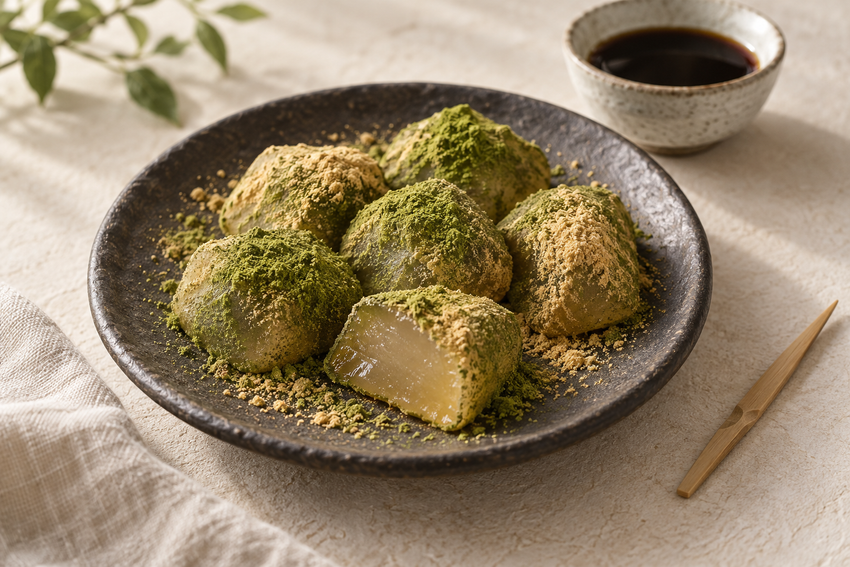 PREPARAR
Warabi mochi de matcha
Descubre dulces suaves con matcha y kinako.
-
 COMPRAR
Descubre Sweet Matcha
Lime, Pink y Compassion. Ya endulzados, listos para tus ideas.
¿Dudas sobre el envío o tu pedido?
Pide un presupuesto exacto de productos y envío. Una vez aprobado, podemos enviarte un enlace de pago seguro de Stripe.
Las fotografías de presentación son ilustraciones generadas por IA. Las bebidas, los alimentos preparados y los utensilios no están incluidos con los polvos de matcha.
- Al seleccionar una opción, se actualiza toda la página.
- Se abre en una nueva ventana.
-

